Electrical Safety Inspection in Miami, FL: What Happens and What We Check
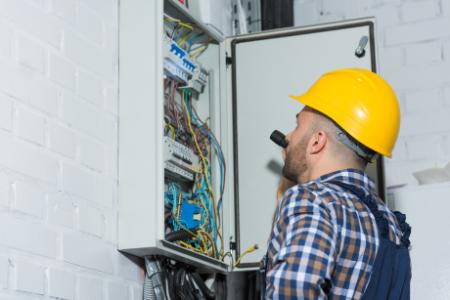
If you are scheduling an electrical safety inspection in Miami, you want clear steps, plain language, and results you can trust. During a complete electrical safety inspection, Levin Electric LLC reviews the key parts of your system, documents risks, and gives you a simple plan to fix what matters most. This guide walks you through what we look at, why it matters in Miami’s heat and humidity, and how the visit ends with a practical safety checklist you can keep.
Why an Electrical Safety Inspection Matters in Miami, FL
Miami homes push electrical systems hard. Air conditioning runs most of the year. Salt air and summer storms speed up corrosion. Older homes mix past repairs with new devices that draw more power. An inspection helps catch loose connections, moisture damage, and overloaded circuits before they become bigger problems. For many homeowners, this visit also provides a baseline report you can reference for future upgrades or when selling a home.
For background and next steps across all your options, you can always start at our home base. Learn more about an electrical safety inspection in Miami and how the process fits your house, condo, or townhome.
What Levin Electric LLC Checks During Your Visit
Our licensed electrician arrives on time, walks the property with you, and confirms any concerns you have noticed. Then we move through a proven checklist that puts safety first and keeps your day on track.
- Visual scan of service equipment outside and the main panel inside
- Breaker labeling and clear working space in front of panels
- Signs of heat, corrosion, moisture, or physical damage
- Outlet and switch testing, including GFCI and AFCI where appropriate
- Grounding and bonding connections that protect people and equipment
- Lighting, fans, and fixed appliances on dedicated circuits where required
- Smoke and carbon monoxide alarm placement checks
- General load review to spot overload risks and nuisance tripping patterns
We document conditions with photos and plain-English notes, then organize them by priority so you know what is urgent, what is recommended, and what can wait.
Electrical Panel Inspection: The Heart of the System
Your main panel is where power is managed and protected. We verify the panel has a safe working clearance, a secure cover, and a door that latches. Inside, we look for hot spots, rust from coastal air, and any breakers that do not seat correctly. We check conductor sizes and connections for signs of looseness or arcing. Never ignore a warm or buzzing breaker. It is a signal to call us so we can evaluate it safely.
If the inspection suggests your panel is undersized or crowded, we explain options in simple terms. For some homes in neighborhoods like Shenandoah, Little Havana, or North Miami, an electrical panel upgrade can add headroom for today’s appliances and tomorrow’s plans. We help you weigh benefits against timing and convenience.
Outlet and Switch Testing: Small Parts, Big Safety
Outlets and switches get daily use and wear. We test for proper wiring and tightness, and we confirm that outlets near water have working protection. GFCIs protect you near water by cutting power faster than a breaker if a fault occurs. Where appropriate, we also check AFCI protection to reduce fire risk from arcing in living areas. If we find cracked plates, scorch marks, or loose devices, we mark them clearly in your report.
Grounding, Bonding, and Surge Protection
A strong grounding and bonding system helps any fault current return safely to source and operate protective devices the way they are designed. We review grounding electrodes, bonding jumpers, and connections at water and gas piping where present. Miami’s lightning and utility fluctuations make surges a real concern, so we also discuss whole-home surge protection if your setup would benefit.
Common Code Issues We Find in Miami Homes
Every home is different, but patterns show up over time. We often see missing or outdated safety devices, double-tapped breakers, open junction boxes, or exterior equipment with weathered seals. In coastal zones like Miami Beach and Key Biscayne, salt air can speed up rust, which weakens enclosures and terminals. We flag these conditions and outline practical fixes without jargon. When permits are part of a future repair, we explain typical steps and timelines in general terms so you know what to expect.
If you want a deeper dive on permit steps from a homeowner’s point of view, read our short guide on a permit checklist for electrical safety inspection in Miami-Dade. It covers common documents and how scheduling usually works.
Miami-Specific Factors We Consider
Humidity, heat, and storm season shape how we evaluate your system. Outdoor panels and meter cans face UV and wind-driven rain. Garages can run hot in July and August, which stresses electronics and breakers. In flood-prone streets after heavy downpours, low-mounted outlets or equipment may be more exposed. Condos and townhomes add building policies and access rules that affect scheduling. We note anything weather-related that can shorten equipment life and recommend protective steps that fit your home’s layout.
Local insight: Miami’s hurricane season runs through fall, so many homeowners book inspections in spring or early summer to catch corrosion or loose connections before peak storms. A quick tune-up now can prevent mid-season surprises and help sensitive electronics last longer.
What You Receive After the Inspection
You get a written summary with photos, a prioritized list of findings, and a simple safety checklist. Items are grouped so you can decide what to address first, what to schedule soon, and what to monitor. We also include helpful notes about parts availability or access needs that could affect scheduling. If repairs are needed, we outline options in everyday language and coordinate the next steps with you.
Simple, Clear Safety Checklist You Can Keep
Before we leave, we review the key points that matter most for your home. This helps you see how the pieces fit together and gives you a clear plan.
- Panel area kept clear for safe access and quick shutoff
- Working GFCI protection where water is present and replacement where devices fail testing
- Secure covers, tight terminations, and no obvious heat damage
- Labeling that makes sense to you so you can act fast in an emergency
- Recommendations for surge protection or upgrades suited to Miami weather
Condo and Townhome Considerations
High-rise living around Brickell, Edgewater, and Miami Beach can add a few extra steps. We confirm access to panel rooms, check labeling that matches your unit, and coordinate with building staff when required. In many buildings, a short visit to map routes and confirm approvals keeps the full inspection smooth later. We explain those moving parts upfront so your day stays predictable.
When To Schedule an Inspection in Miami
Most homeowners choose an inspection when big changes are on the horizon, or when something starts to feel off. If breakers trip more often once the A/C and pool pump kick on together, that is a good time to check the system. If the home is new to you or it has been years since the last professional review, an inspection offers peace of mind and a baseline for future projects.
Do not attempt to open your electrical panel to “check things out.” Live components can be present even when a main breaker looks off. Always hire a licensed electrician to evaluate conditions and make repairs safely.
How To Prepare for Your Appointment
Preparation is simple. Clear a path to the panel, unlock gates, and secure pets. If your home has areas that get hot in summer, let us know so we can plan the order of checks. In neighborhoods with tight street parking, a driveway spot helps us set up tools faster. We handle the rest, including testing tools and documentation.
What We Check, Step by Step
Here is a closer look at the sequence our Miami electrician follows during your visit so you know what is happening at each stage:
Exterior and Service Equipment. We look at the service mast or lateral, meter enclosure, and main disconnect where present. We check for rust, UV damage, or loose hardware that could let water in during a storm. Any concerns are documented with a clear photo and a short note on why it matters.
Main Panel and Subpanels. We verify torque on accessible terminations, scan for heat with a non-contact tool when appropriate, and look for signs of arcing or overheating. We confirm that breakers match the panel type and that nothing is double-lugged where it should not be. If labeling is confusing, we note it and can re-label during a follow-up visit so emergencies feel less stressful.
Outlets, Switches, and Fixed Loads. We test outlets and switches in representative rooms, confirm proper polarity and grounding, and check a sample of fixed loads like disposals and bathroom fans for obvious issues. If anything is chipped, loose, or warm to the touch under normal operation, it goes on your list with a recommended fix.
Protection Devices. We discuss the role of GFCI and AFCI and confirm they are present and working where appropriate. We also discuss surge protection options, especially for homes with home offices, gaming systems, or medical devices that are sensitive to power spikes.
After the Visit: Priorities and Next Steps
We wrap with a short review of priorities. Urgent items focus on life safety and equipment protection. Recommended items help your system run more reliably through Miami’s long cooling season. If your system needs more capacity, we explain how a right-sized electrical panel upgrade can prepare you for future appliances or an EV charger without guesswork.
When permits are part of a repair, our team explains the general process in your area and coordinates scheduling so you are not left guessing. For a homeowner-friendly overview, save our quick read on the permit checklist for electrical safety inspection in Miami-Dade. It pairs well with your report and helps you plan the order of work.
Ready for a Professional Electrical Safety Inspection?
If you want a same-week slot when possible and a report that speaks plainly, book your Miami electrical safety inspection with Levin Electric LLC today. Call us at 786-850-8070 and we will walk you through scheduling, what access we need, and how long the visit should take in your neighborhood.
From Coconut Grove to Miami Shores, our goal is simple: a safe, reliable system that fits how you live. We will evaluate, explain, and help you plan clean, code-aligned fixes that last.
Don't Let Electrical Issues Disrupt Your Life: Call Us Today!