Home EV Charger Installation Checklist for Miami Condos and Townhomes
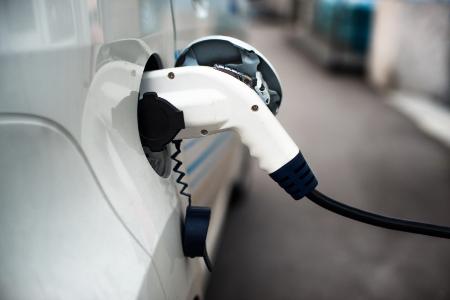
Planning a home EV charger installation in Miami, FL should feel simple and safe. This checklist walks condo and townhome owners through the key steps, from building approvals to final testing, so you can charge confidently at home. If you are ready to see what the process looks like start to finish, review our ev charging station installation overview and then use the guide below to prepare your building and your unit.
For many owners in Brickell, Edgewater, Midtown, Coconut Grove, and Miami Beach, the setup is less about the brand of charger and more about fit. Parking layout, HOA rules, and your electrical capacity decide what works best. When you want a quick primer on the basics, you can always start at home ev charger installation in Miami, FL and come back to this checklist with a clearer plan.
Why Condo and Townhome Charging in Miami Is Different
Shared garages, deeded spaces, and salt-air weather make Miami installations unique. Elevators, access windows, and management approvals affect scheduling. Older buildings may have tighter electrical capacity, while newer ones may have dedicated EV areas with their own rules. The goal is a clean, code-compliant setup that keeps your neighbors, building staff, and the fire marshal happy.
Step-By-Step Checklist for Home EV Charger Installation
Use this simple flow to get from idea to first charge without roadblocks.
- Confirm your parking situation: deeded space, assigned spot, or shared area. Note distance to your unit’s meter or panel.
- Request building and HOA guidelines in writing. Ask about allowed locations, signage, and cord management.
- Schedule a licensed electrician site visit to evaluate load capacity, route options, and equipment needs.
- Align on permit and inspection steps. In many Miami-Dade municipalities, new 240-volt circuits typically require a permit that a licensed contractor handles.
- Choose equipment that fits your load calculation and the garage environment. Weather ratings and cable length matter.
- Plan cable routing to avoid trip hazards and keep clearances. Label the breaker and charger location for quick identification.
- Coordinate elevator access, security, and parking holds with building management before installation day.
- Test charging with the installer present. Review app settings, scheduled charging, and basic care.
Always get approvals in writing before work begins. It prevents last‑minute delays and keeps everyone aligned on responsibilities.
Electrical Capacity and Panel Considerations
Your panel is like a highway. Daily loads are the cars. The EV charger is another steady stream of traffic. If evenings already feel like rush hour with AC, laundry, and cooking, a smaller charger setting or a panel upgrade may be the smoother path. For a clear, plain‑English walk‑through, read our article do i need a panel upgrade before installing an ev charger? and discuss findings with your electrician.
If your home may need more headroom for a charger now and future appliances later, learn what’s involved on our electrical panel upgrade page. The right choice depends on a professional load calculation, available breaker space, and how your family uses power during hot, humid months.
Permit, HOA, and Utility Coordination in Miami-Dade
Most buildings have a standard process for unit modifications. Many cities in Miami-Dade require a permit for a new EV charging circuit, and inspections are typically scheduled after installation. Exact steps vary by building and municipality, so your contractor will confirm what applies to your address and handle paperwork where required. Provide your HOA with a simple plan: charger type, location, route, and how cords will be stowed.
Never attempt DIY electrical work in a shared building. Licensed electricians protect you, your neighbors, and your warranty. They also help coordinate loading zones, security access, and any utility notifications that may be needed.
Equipment Choices for Coastal Condos and Townhomes
Miami’s heat, humidity, and salty air can shorten equipment life if the wrong materials are used. Ask for enclosures and hardware rated for outdoor or damp locations when the charger is near open-air garages. Prioritize cable flexibility and a holster that lets you park and plug without dragging cords across walkways.
- Right-size the charger to your panel capacity and daily miles. Faster is not always better if it strains your system.
- Prefer integrated ground-fault protection and visible status indicators for quick checks during storms.
- Pick a mounting height that keeps the connector off wet floors and clear of vehicle doors.
Choose weather-rated components near coastal exposure. It helps the charger withstand summer storms and salt mist common around Miami Beach and Key Biscayne.
Placement, Parking, and Safety in Shared Garages
Safe placement starts with a straight, protected cable route and a parking motion that does not twist the connector. In tight spaces like Brickell high-rises or Edgewater towers, think about the driver’s side door swing and the charger’s holster reach. Good lighting, clear labeling, and cord organization keep the space friendly for neighbors and guests.
Ask your installer about simple signage near the holster and a neat cord hook that encourages proper stowing. Do not block pathways, fire equipment, or drainage. Where required, protective conduit and guards shield the cable near columns or pedestrian routes.
Timeline and Seasonal Scheduling Tips
Installation speed depends on your building’s approval cycle, elevator reservations, and permit timing. Many owners in Doral, Kendall, and Aventura see the quickest path when they submit HOA paperwork and contractor information together at the start. If your building requires a pre-walk, book it early and bring a simple one-page plan that marks the charger location and cable path.
Miami’s hottest months stress both people and gear. Morning installations mean cooler work areas and smoother final testing. If you are traveling or your car delivery date is set, share it with your electrician so inspections can be scheduled with a cushion.
What Your Electrician Checks Before Installation
Load Calculation and Breaker Space
A licensed electrician will tally your big loads and confirm that a dedicated 240-volt circuit fits safely. They check for open breaker spaces, conductor sizes, grounding, and bonding. If the panel is full, options include a different charger setting, load-sharing technology, or a panel upgrade discussed during the estimate.
Route, Protection, and Labeling
Conduit type, support spacing, and protection in high-traffic areas all matter in a shared garage. Clear labels at the panel and charger help building staff, first responders, and future technicians. Good labeling also keeps HOA conversations brief if unit ownership or management changes.
Environmental Fit
Ventilation, humidity, and wind-driven rain influence equipment choices. In partially open garages near the bay, enclosures and fasteners that resist corrosion are a smart investment. Clean, dry mounting surfaces and tidy cable management make daily use easy.
Avoid Common Roadblocks
Most delays come from unclear approval steps or underestimating electrical load. Share your charger’s maximum current with your electrician and HOA so they can plan breaker size and cord placement. Provide photos of your parking space, panel, and the route to speed up review. If your unit meter location is unclear, ask building staff to point it out during a pre-walk.
Owners in Coral Gables, Little Havana, and North Miami often live in older properties where labeling and panel access vary. A quick prep list for your visit helps: locate your panel, clear three feet of working space in front of it, and have your vehicle on-site if possible for cable reach testing.
Ready to Put the Plan Into Action?
If everything above checks out, you are set to schedule installation and first charge. To see how a pro handles layout, routing, and final verification, review our ev charging station installation page and share it with your HOA so they know what to expect on installation day.
Call Levin Electric LLC for Safe, Code-Compliant Charging
When you are ready to move forward, our team will coordinate with your building, verify capacity, and set you up for reliable nightly charging. Call 786-850-8070 to schedule or start with a quick question. If you prefer to read more first, our blog covers electrical safety and upgrades for Miami homeowners, including EV topics that make decisions easier.
Your charger should fit your life and your building, not the other way around. Let a licensed pro design the route, handle approvals, and finish with clean labeling and a full test charge. To begin, compare your options and schedule your ev charger installation with a trusted local electrician.
Don't Let Electrical Issues Disrupt Your Life: Call Us Today!